Navigating Local Regulations for Short Term Rentals in Guanacaste


Understanding the Local Landscape
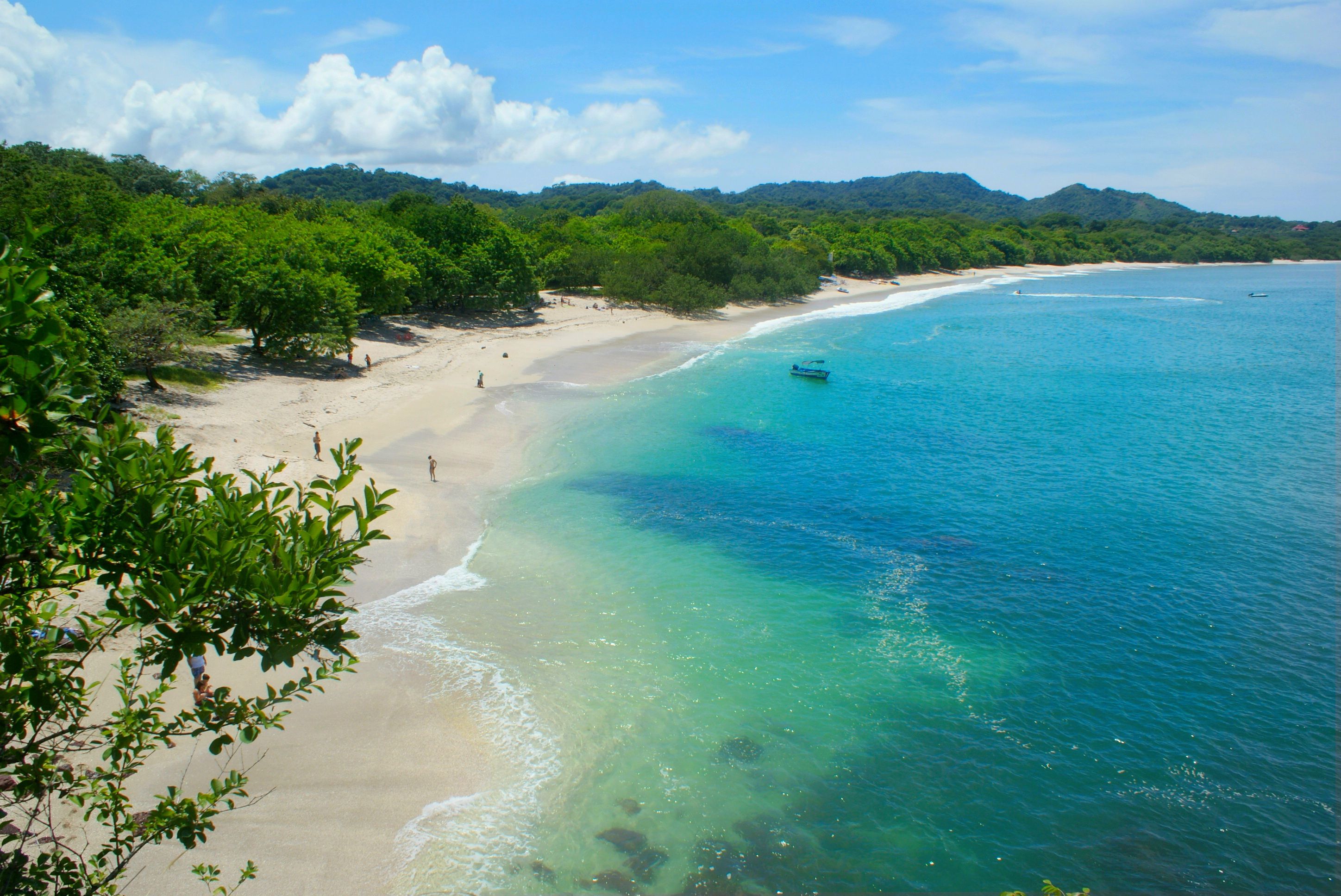
Guanacaste, a scenic region in Costa Rica, has become a popular destination for short-term rentals. Known for its stunning beaches and vibrant culture, this area attracts tourists year-round. However, navigating local regulations for short-term rentals can be challenging. Understanding these rules is crucial for property owners and managers looking to capitalize on this thriving market.
Local regulations are designed to ensure that short-term rentals do not negatively impact the community or environment. These regulations may include zoning laws, licensing requirements, and occupancy limits. Familiarizing yourself with these rules can help you avoid potential fines and legal issues.
Licensing and Permits
One of the first steps in operating a short-term rental in Guanacaste is obtaining the necessary licenses and permits. This often includes registering your property with the local municipality and acquiring a business license. The process can vary depending on the specific location within Guanacaste, so it's essential to research the requirements in your area.
Additionally, certain municipalities may require health and safety inspections. Ensuring that your property meets these standards not only helps in obtaining permits but also increases guest satisfaction and safety.
Compliance with Zoning Laws
Zoning laws play a significant role in determining what properties can be used for short-term rentals. These laws are designed to maintain the balance between residential areas and tourism. Before listing your property, verify that it is located in a zone that permits short-term rentals.
Failing to comply with zoning regulations can result in fines or the revocation of rental licenses. Consulting with a local attorney or a real estate expert can provide clarity and guidance in navigating these laws.
Tax Obligations
Short-term rental hosts in Guanacaste are subject to various tax obligations. These may include income tax, value-added tax (VAT), and local tourism taxes. It's important to maintain accurate records of your rental income and expenses to ensure compliance with tax regulations.
Consulting with a local tax advisor can help you understand your tax responsibilities and optimize your financial planning. Paying taxes not only complies with the law but also supports local infrastructure and community development.

Community and Environmental Considerations
Being mindful of community and environmental considerations is essential for the sustainable operation of short-term rentals. Engaging with local residents and participating in community initiatives fosters goodwill and promotes a positive reputation.
Moreover, implementing eco-friendly practices such as recycling, energy conservation, and waste reduction aligns with Costa Rica's strong commitment to sustainability. Guests often appreciate and seek out environmentally responsible accommodations.
Conclusion
Navigating local regulations for short-term rentals in Guanacaste requires diligence and understanding. By securing the necessary licenses, complying with zoning laws, fulfilling tax obligations, and considering community and environmental impacts, property owners can successfully operate within the legal framework.
Staying informed about changes in regulations and actively participating in local communities not only ensures compliance but also contributes to the thriving tourism industry in Guanacaste. By adhering to these guidelines, hosts can offer welcoming and legal accommodations to the countless visitors drawn to this beautiful region.