Common Mistakes in Rental Management and How to Avoid Them


Understanding the Basics of Rental Management
Rental management can be a rewarding venture, but it comes with its own set of challenges. One of the most common mistakes landlords make is not understanding the basic principles that govern rental agreements and tenant relationships. It's crucial to familiarize yourself with local laws, tenant rights, and fair housing regulations to ensure compliance and avoid legal issues.

By understanding these fundamentals, you can create a more favorable environment for both you and your tenants. This foundation helps in building trust and ensures that both parties are aware of their responsibilities and rights.
Screening Tenants Thoroughly
Another common pitfall in rental management is poor tenant screening. Rushing the process can lead to selecting unreliable tenants, which may result in unpaid rent or property damage. Take your time to conduct thorough background checks, including credit scores, employment verification, and reference checks.

By diligently screening tenants, you increase the likelihood of having reliable and responsible individuals in your rental properties. This step can save you time, money, and stress in the long run.
Effective Communication with Tenants
Many rental managers underestimate the importance of clear and consistent communication with their tenants. Misunderstandings can lead to disputes, so it's essential to establish open lines of communication from the start. Make sure tenants feel comfortable reaching out with questions or concerns.
Regular check-ins and updates about property maintenance or policy changes can also help maintain a positive relationship. A proactive approach to communication fosters trust and minimizes potential conflicts.
Neglecting Property Maintenance
Ignoring regular property maintenance is a mistake that can lead to costly repairs and unhappy tenants. Create a maintenance schedule that includes routine inspections and prompt responses to repair requests. This not only prolongs the life of your property but also keeps tenants satisfied.
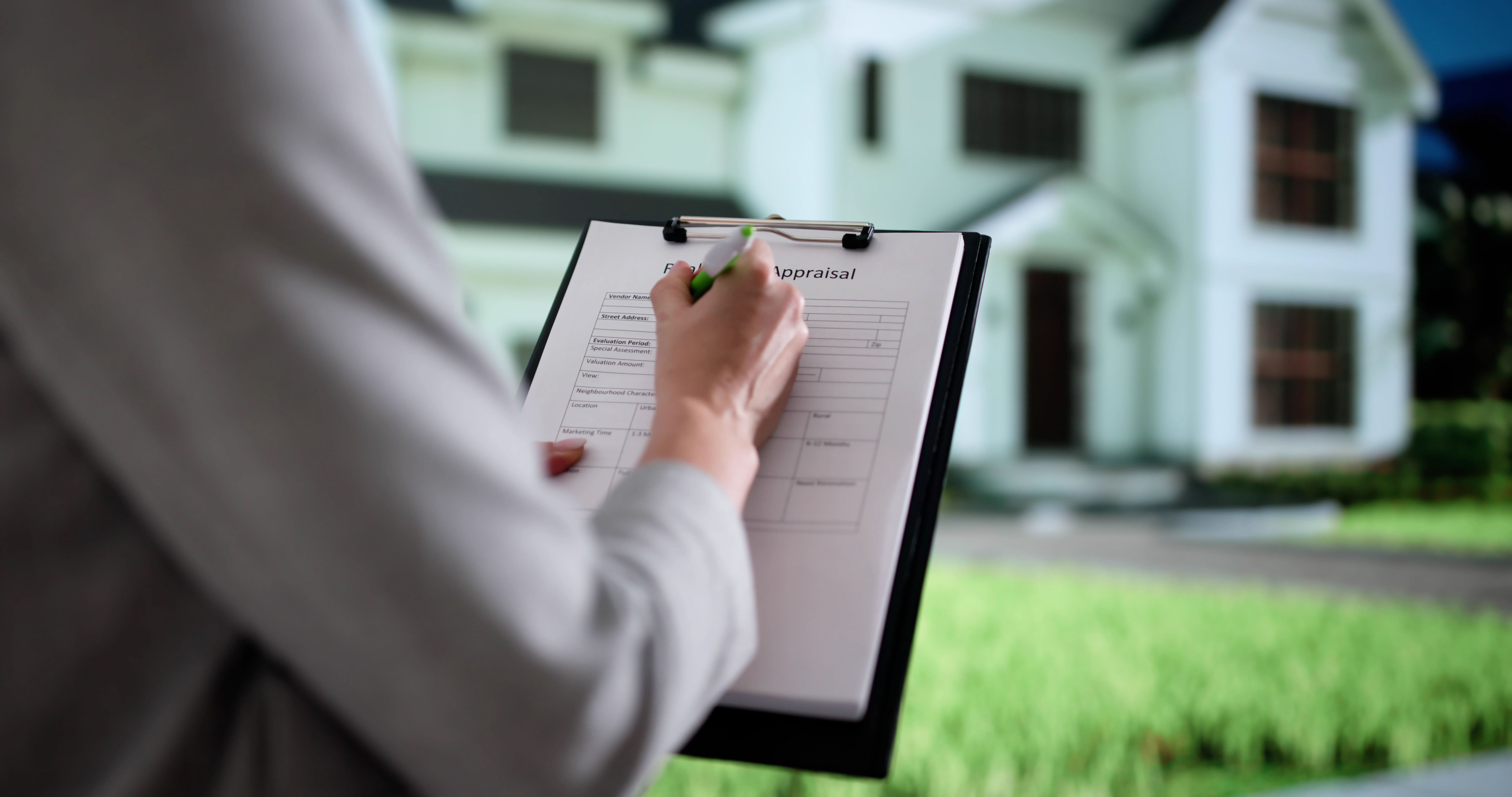
Consider setting aside a portion of rental income for emergency repairs. Being prepared for unexpected issues demonstrates your commitment to maintaining the property and ensures that problems are addressed swiftly.
Setting the Right Rental Price
Overpricing or underpricing your rental property can have significant consequences. Research the local market to set a competitive rate that reflects the property's value. Consider factors like location, amenities, and current demand to determine the optimal rental price.
Regularly reviewing and adjusting your rental rates ensures you remain competitive and can attract and retain quality tenants.
Conclusion
Avoiding these common mistakes in rental management requires diligence, communication, and a solid understanding of the industry. By implementing these strategies, you can enhance your rental management practices, leading to a more successful and stress-free experience.